The Registrar Holds Your Career in a Filing Cabinet: Preparing for Direct-to-School Verification Requests
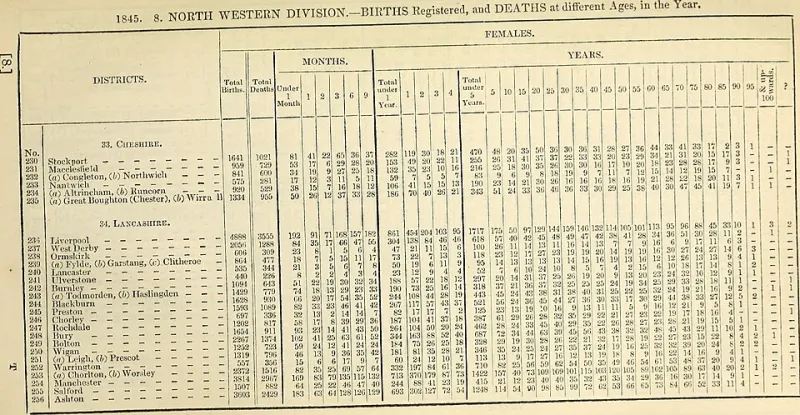
Photo: Great Britain. General Register Office, No restrictions, via Wikimedia Commons
The Call You'll Never Hear About
Most professionals assume their education history comes up in hiring the way they present it: a line on a resume, a question in an interview, a degree listed on a LinkedIn profile. In reality, a growing share of US employers outsource education verification to third-party screening firms, and those firms frequently go directly to the source — the university registrar or a national records clearinghouse — without the candidate ever being consulted.
That call happens behind closed doors. You won't get a heads-up, and you won't get a chance to explain a discrepancy. If the registrar's response is slow, incomplete, or wrong, the damage is done before you know a verification was even attempted.
Who Actually Answers When an Employer Calls
When a screening company requests enrollment or degree verification, the request typically routes through one of two channels:
The institutional registrar. Many colleges and universities process verification requests manually, sometimes within a dedicated office that handles hundreds of inquiries a week during peak hiring seasons. Response times range from same-day to several weeks, depending on the institution's staffing and whether your records predate digital conversion.
The National Student Clearinghouse. A majority of US degree-granting institutions now partner with this nonprofit clearinghouse, which automates enrollment and degree verification for background screeners. If your school participates, most requests resolve electronically — quickly, but only if your data was submitted accurately in the first place.
The vulnerability in both channels is the same: your record is only as good as what the institution entered years ago. Misspelled names, changed legal names, unrecorded degree conferrals, and pre-2000 paper files are all common sources of verification failures.
Why FERPA Works for You — If You Let It
The Family Educational Rights and Educational Privacy Act (FERPA) governs who can access your educational records, and it cuts both ways. Schools generally cannot release detailed records — transcripts, grades, disciplinary history — without your written consent. But directory-level information, including enrollment status and degrees earned, is often classified as public and can be released without permission.
This distinction matters for two reasons:
- You can't rely on FERPA to block a routine verification. Degree confirmation is usually fair game, so preparing for it is more productive than trying to prevent it.
- You can file a consent form proactively. Most registrars offer a release authorization that lets them respond faster and more completely to verification requests, including ones from employers you haven't identified yet.
A Preemptive Verification Playbook
Waiting until an offer is contingent on a background check is a gamble. Instead, run your own audit before you need it:
- Request your own enrollment verification. Most schools let current and former students generate this document through a student portal or the National Student Clearinghouse's self-service portal. Review it line by line.
- Confirm your degree conferral date. The date your degree was conferred often differs from your graduation ceremony date. Screening firms compare what you wrote on your application to what the registrar reports — a two-month mismatch can trigger a flag.
- Verify name consistency. If you've married, divorced, or legally changed your name since enrollment, make sure your records can be matched to your current identity. Attach documentation where needed.
- Check for holds. Financial holds, unpaid parking tickets, and library fines can freeze your records at some institutions. A $40 balance from 2011 shouldn't cost you a job, but it can.
- Locate closed-school records. If your institution has merged or shut down, records typically transfer to a successor school or a state education agency. Find out where yours live now, while nothing is on the line.
When the Record Is Wrong or Slow
If you discover an error, contact the registrar in writing and request a correction with a paper trail. Keep copies of diplomas, final transcripts, and degree audits — these serve as supporting evidence if a dispute ever arises with a background screening company, which, under the Fair Credit Reporting Act, must give you a chance to dispute inaccurate results.
If the record is merely slow, you can sometimes accelerate things by submitting a release form in advance or asking your school whether it participates in automated clearinghouse verification. A five-minute phone call to the registrar's office today can save a three-week delay during an offer negotiation.
Verification Is Inevitable; Being Unprepared Isn't
The infrastructure behind education verification has industrialized. Employers trust it precisely because it bypasses the applicant. The professionals who fare best are not the ones with the most impressive degrees, but the ones whose documentation matches reality, responds quickly, and leaves nothing for a screener to question.